
How Being an HSP Actually Affects Your Relationship Dynamics
Ileana Arganda-Stevens
Being an HSP doesn’t make you bad at relationships—it just means your emotional system works differently. You feel more, notice more, and process more than the average person, which changes how you communicate, connect, and handle conflict.
When you understand the unique relationship patterns that come with being highly sensitive, you stop blaming yourself—and start building healthier, calmer, more supportive relationships. Let’s break down the most important ways HSP wiring shapes your relationship dynamics.
HSPs Experience Relationships on a Deeper Emotional Level
You bond intensely and quickly
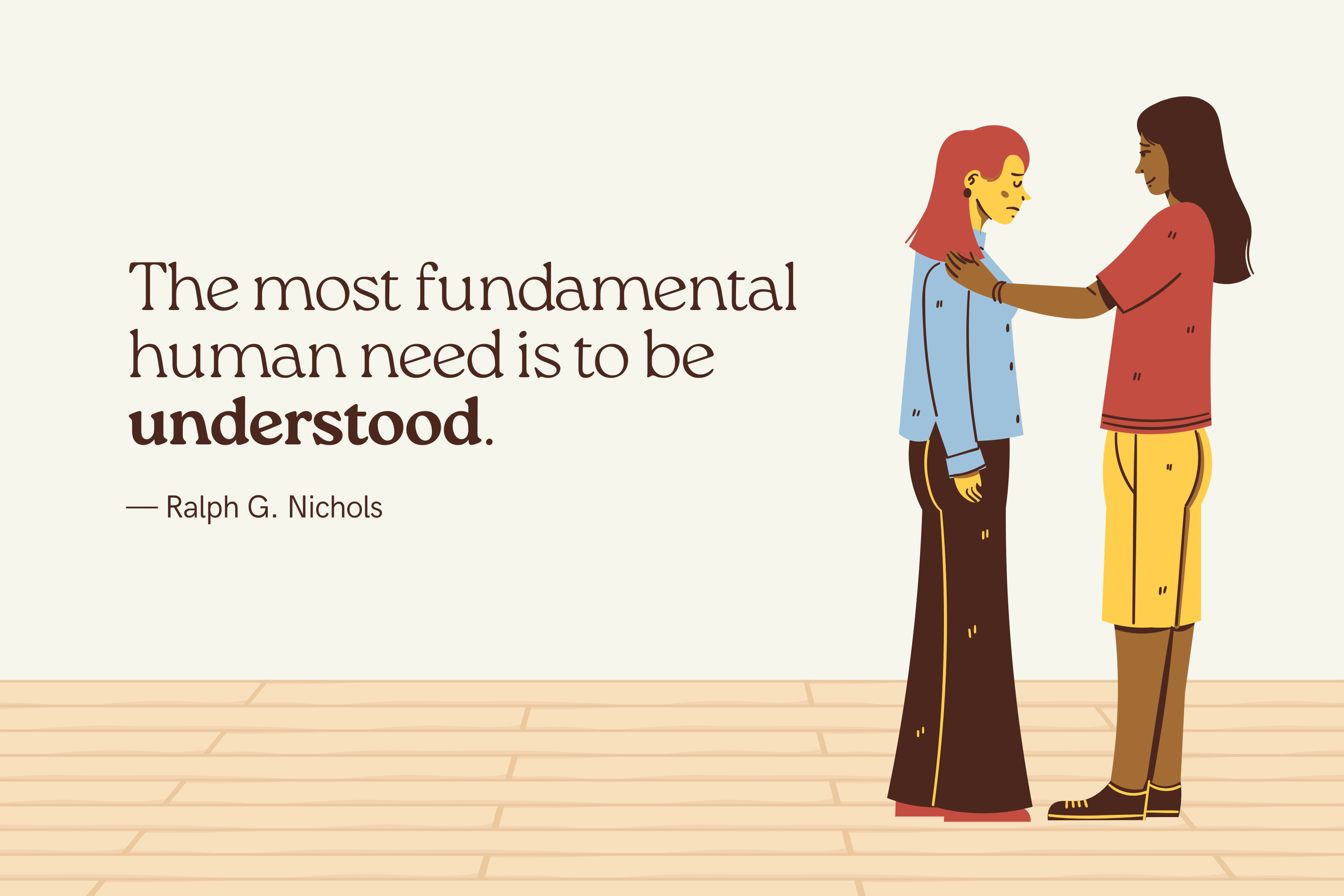
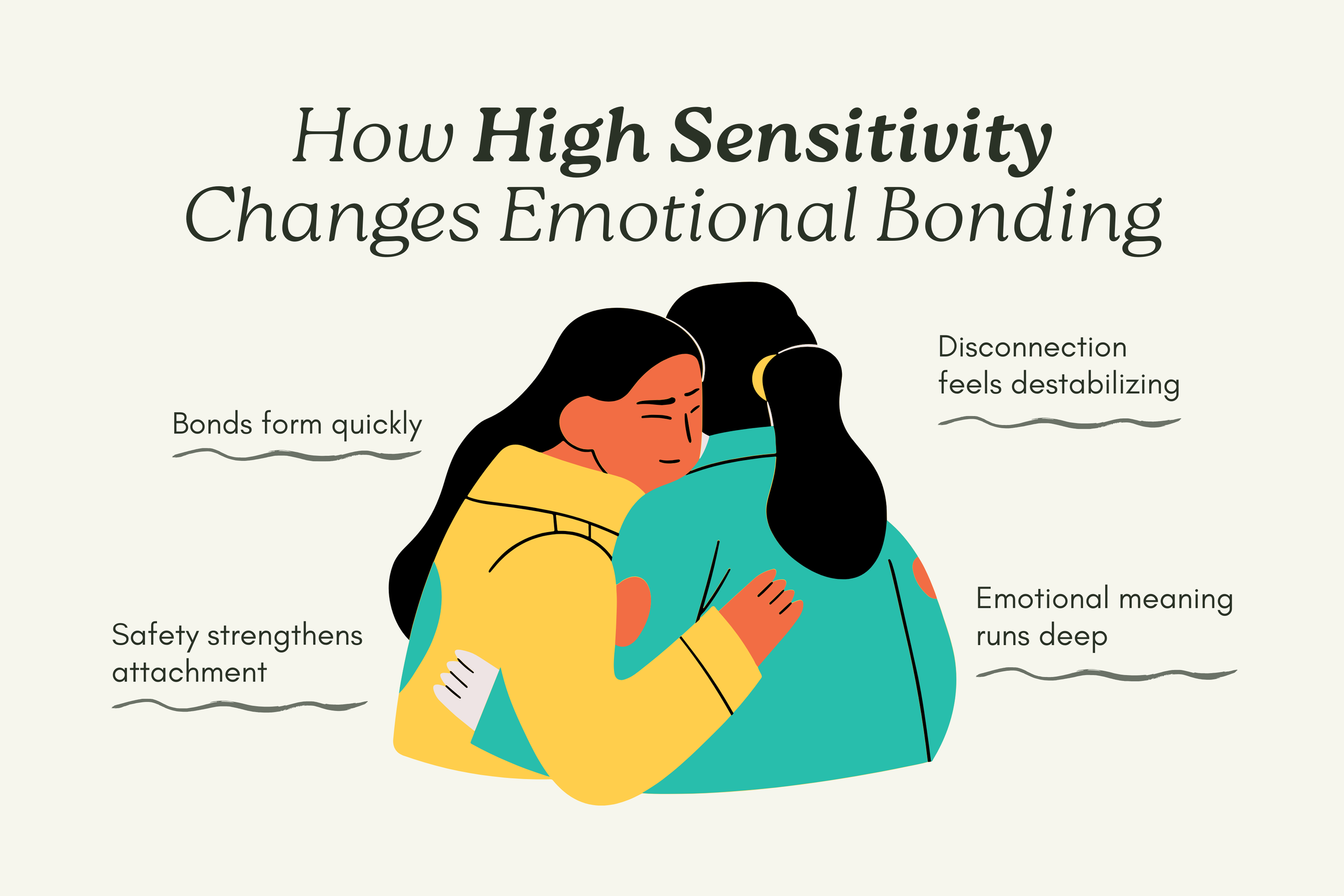
As a highly sensitive person, you may find that you process your emotions deeply–you think about and feel your emotions intensely and for long durations of time. For some HSPs, this can mean you form emotional bonds with others quickly. You may feel you understand them on a deep level and they likely pick up on this too, saying things like, “Wow! You totally get me!” Because being understood is one of the most basic and important human needs we have, these connections can feel really good.
You care deeply about emotional connection
With your deep experience of emotion, you understand and value the need for emotional safety for yourself and others. Consistent and reciprocal emotional connection can build trust and security while disconnection can feel destabilizing or even dangerous.
You notice emotional shifts others overlook
As an HSP, you may also find that you’re especially attuned to subtle shifts in your environment. In relationships, this can mean you notice micro-expressions in people’s faces, subtle changes in voice tone or quality, as well as silence, pauses, and tension. As a reminder, our communication is both verbal and nonverbal, so while we may not always be right in our assumptions about what’s being communicated, it’s important to know we are taking in more information than people who are not as attuned to these subtle details.
Your Nervous System Plays a Major Role in Relationship Stress
Overstimulation leads to irritability or shutdown
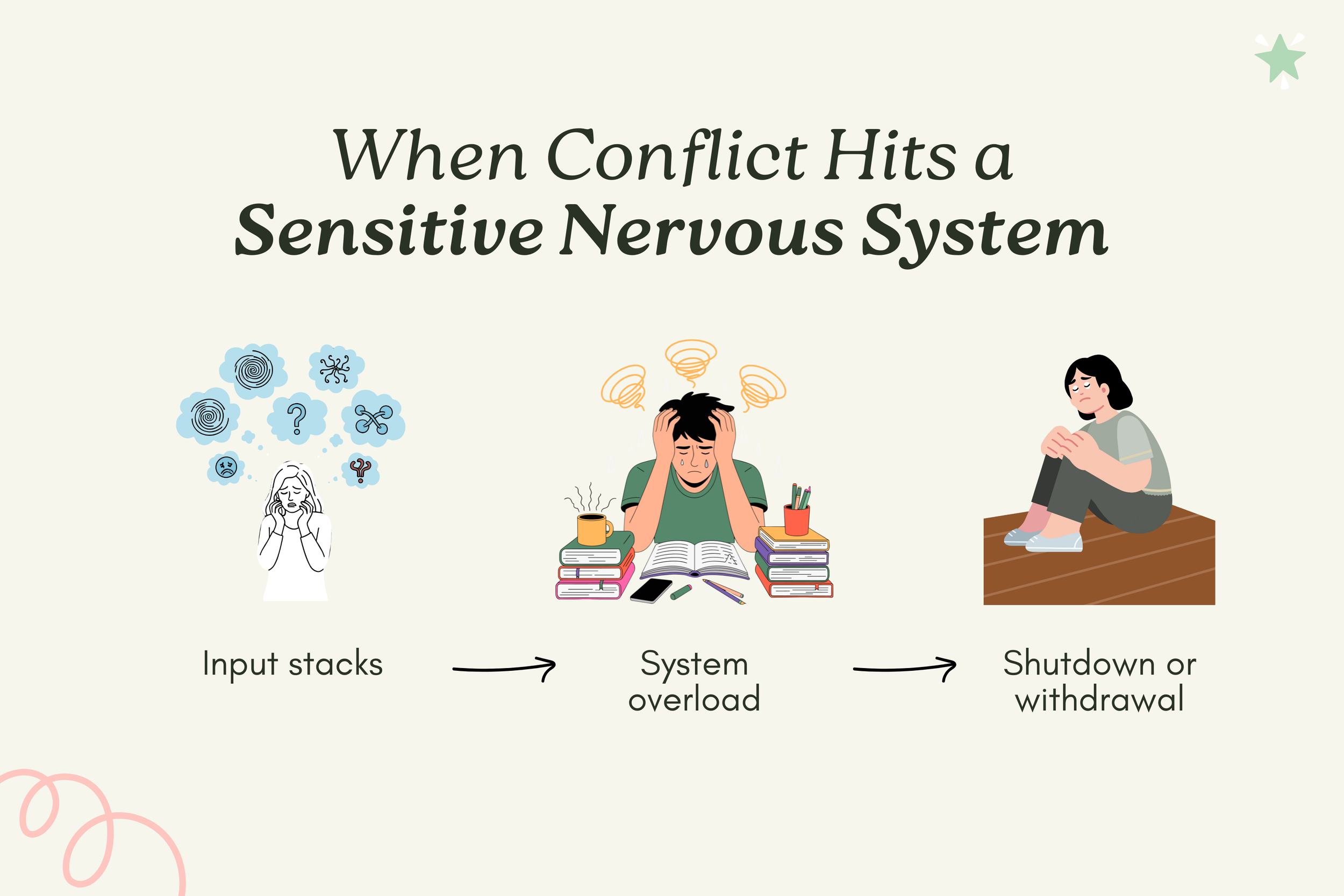
Because you are so tuned into subtle details in your environment, this can mean that your nervous systems become overwhelmed more frequently. Noise (or certain types of noise), chaos, and conflict can deplete our internal resources, leaving you with little to nothing to draw from when you go to interact with others. This type of overwhelm can be both physical and emotional, leading you to shut down when you’re under stress.
Arguments hit harder for you
For many HSPs, conflicts can feel especially draining, stemming from the combination of both sensory and emotional overload. Even small disagreements can feel intense, especially when your internal reserves are already low. It’s important that you check in with yourself about how you’re feeling and what you need at regular intervals throughout the day as caring for yourself consistently helps build internal trust and stability.
You need reset time that partners may not understand
Part of your self-care might look like alone-time. As someone who’s highly sensitive myself, I know more than most how important alone-time is to reset and recuperate. Quiet time and solitude can offer a respite from the mental, emotional, and physical depletion we experience from being with others. When others don’t understand this (or are struggling themselves), it may be misinterpreted.
The more acceptance and compassion you show yourself, the easier it will be to self-advocate, let go of judgment, and get the rest you need from your alone time.
If you’re an HSP who feels emotionally exhausted in your relationship, book a call with Thrive Therapy & Counseling for HSP‑informed care. We offer HSP-informed therapy that helps you understand how your sensitivity shapes your relationship dynamics, regulate your nervous system, and build connections that feel calmer, safer, and more mutual. Connect with us here.
You Often Attune to Your Partner More Than They Attune to You
You absorb moods instantly
In relationships and even casual interactions with others, many HSPs find they absorb others’ emotions like a sponge. At times, it can feel like having no skin or not knowing where you end and the other person begins. Giving yourself time to pause before responding can be a gentle reminder of the space between us. It can also remind you that feelings are not commands and that you get to choose if or how you’d like to respond.
You over-function emotionally
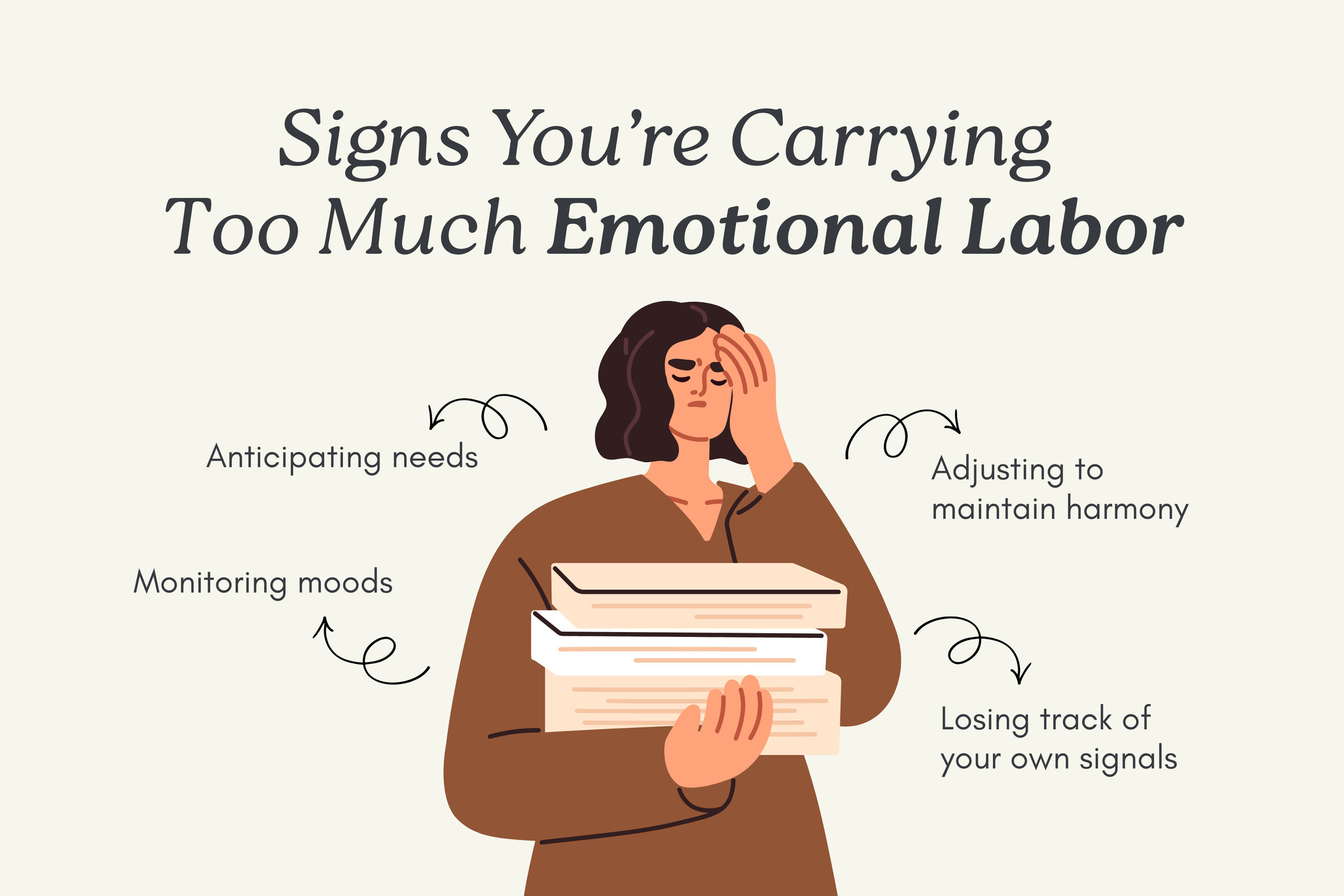
It might not surprise you to learn that highly attuned, accommodating people (HSPs) often attract people who need and benefit from that type of attention. In relationships with people who rely on you to spot their feelings and needs before they do, you may find yourself monitoring their reactions and adjusting your behavior to maintain harmony.
If this is similar to dynamics you grew up with, you might not even notice and just assume it’s normal. It’s helpful to know that not all relationships function this way and that safety and security come from not guessing each other’s needs and feelings and instead having consistent, mutual check-ins and sharing openly with one another.
Over-attunement leads to self-abandonment
It’s tough to prioritize our needs as much as we prioritize others’, especially when we receive positive reinforcement like, “You’re so caring/thoughtful/reliable/etc.” This type of praise can give the illusion of acceptance which, when we’re craving real acceptance, can feed into a cycle in which we’re neglecting our own signals. What’s more, these types of dynamics are doubly reinforced in oppressive societies in which you’re expected to self-abandon in order to prioritize others.
Your Sensitivity Shapes Communication in Unique Ways
You think deeply before responding
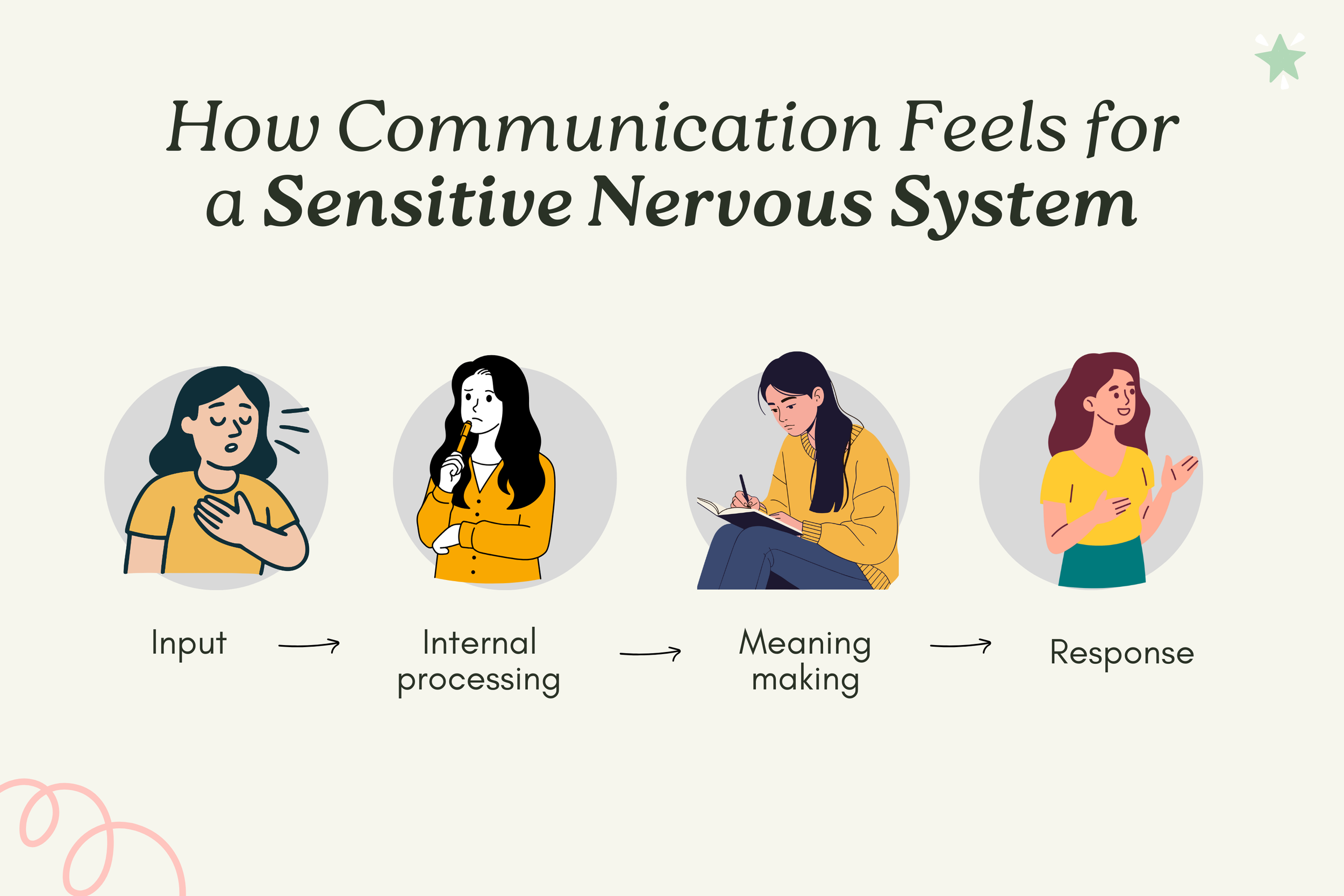
As an HSP, I definitely find myself gravitating towards slower, more thoughtful processing before I respond to others. Expectations to answer in-the-moment feel immensely heavy. Sometimes, you want to say things in a way that feels true to you, and sometimes, you want to find the right words to be heard. As a gentle reminder, communication is a two-way street and others are just as responsible for checking in and getting clarification as you are for communicating honestly and clearly.
You avoid conflict because it overstimulates you
Regularly choosing peace over your own needs can be immensely frustrating. But consider your circumstances—does it feel safe to open up? Does the other person express curiosity about your needs? Do they welcome honest feedback, even when it’s hard to hear? If you regularly find yourself freezing, shutting down, or withdrawing, take some time to reflect.
While it isn’t all on the other person to make you feel safe to open up, it’s also not all on you to be open and honest if the other person is dismissive or defensive. Again, relationships require mutual effort to create a safe environment for open and honest communication.
You need reassurance more than partners expect
Because you sense disconnection so quickly, you may need reassurance more than your partner expects. It’s important to note that this shouldn’t mean you receive criticism for being “too much.” In a healthy relationship, partners work together to meet each other's needs while also caring for themselves.
If meeting your need for reassurance feels out of alignment for the other person, the mature and caring response is to let you know that your needs are too different and you’re likely better suited to other people.
You Give More Emotionally—And Expect Emotional Reciprocity
You love wholeheartedly
With your ability to feel and understand emotions deeply, it’s no wonder you’re a fully invested partner—you’re conscientious, considerate, and communicative. Understandably, you want and need reciprocity from a partner. Partial investment, uncertainty, or distractedness can trigger insecurity and may leave you questioning your own level of investment.
You expect emotional presence in return
Your sensitivity gives you a leg up when it comes to attunement, allowing you to notice things less sensitive people don’t notice, and pick up on nonverbal communication. To you, emotional presence is what care looks like, so receiving this type of attunement signals the other person’s care and commitment in the relationship.
Emotional mismatch and misunderstanding causes the most pain for HSPs
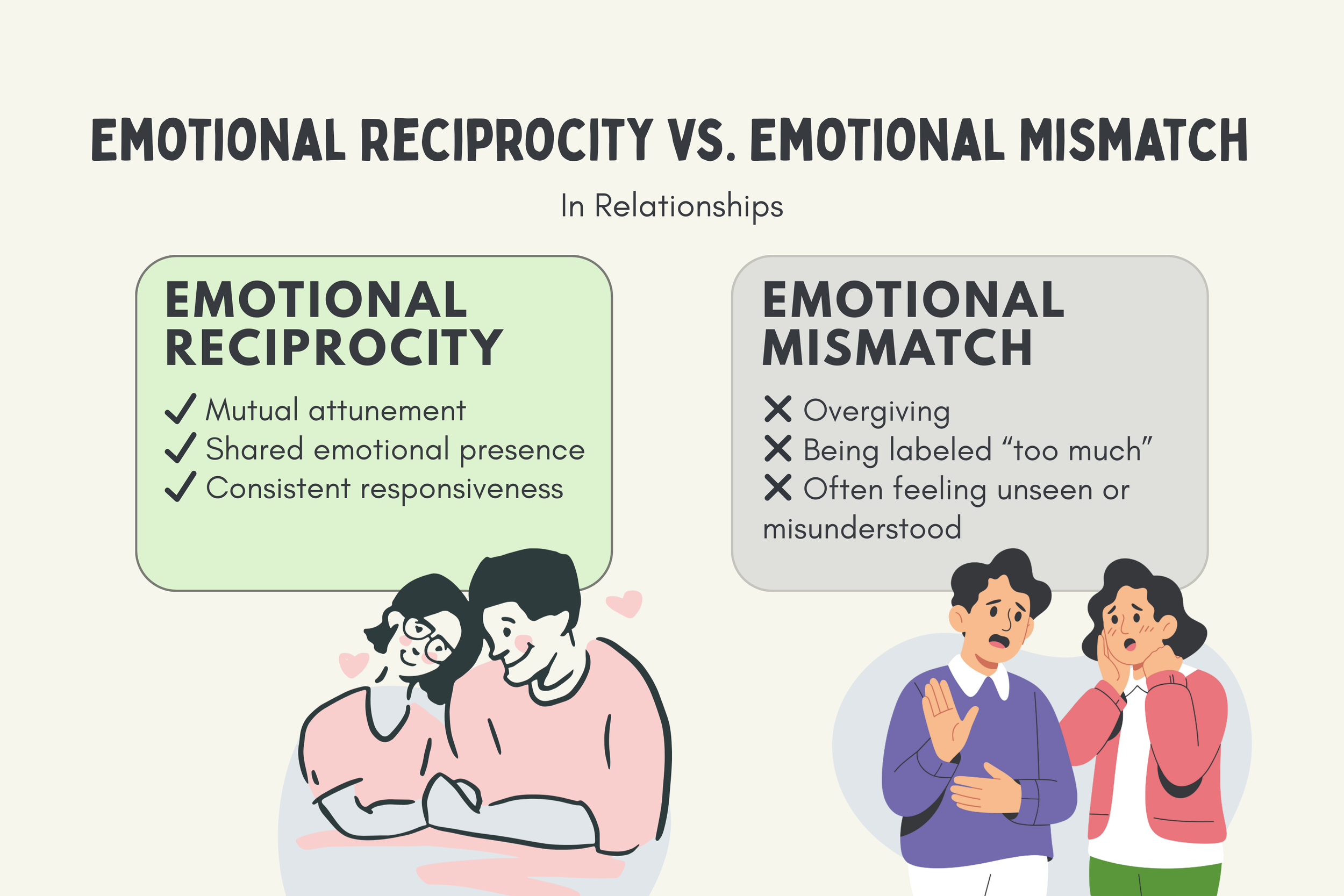
As I mentioned before, like doesn’t always attract like, and sometimes we may find ourselves in relationships with people who need our type of sensitivity because they lack it themselves.
While attunement to their feelings and needs can be welcome in times of calm, partners who distance in times of stress and struggle to own their own feelings (sometimes termed ‘avoidant’ or distancing) may label HSP partners as “too much” when we’re trying to draw them out, leaving HSP partners feeling unseen and misunderstood.
It’s important to remember that just because we’ve been told we’re “too much,” doesn’t make it true. Our partner is mislabeling their experience of feeling overwhelmed, their need for space or time to respond, or disconnection from their own feelings.
If you identify as a highly sensitive person (HSP) and need tailored support, Thrive Therapy & Counseling can help. Book a call here to get the support you deserve.
Sensitivity Affects What Type of Partners You Thrive With
Emotionally stable partners regulate your nervous system
When we find ourselves in relationships where the other person is more avoidant or distancing, we may mistake this as a sign that we really are too much. It’s important to remember that this doesn’t say something about us so much as our dynamic with the other person. With more attuned, emotionally stable partners, your relationships take on a more calm, steady, grounded energy.
Attuned partners make relationships feel safe
More attuned partners are thoughtful, not just about gifts or birthdays, but about your needs in general. This may mean they check in with you more regularly to learn how you feel or what you need. When you share your feelings, attuned partners offer validation—they’re able to put themselves in your shoes and understand how you might come to feel the way you do even if they see things differently.
Perhaps most importantly, they show up with consistency, demonstrating sensitivity and compassion on a regular basis, not just when it’s convenient.
Avoidant partners amplify your sensitivity
Less attuned or avoidant partners may be less consistent, showing up as warm and comforting when we confide in them about others, yet distant when we muster the courage to tell them they’ve hurt our feelings. They may literally leave the room when you’re upset, but expect you to comfort them when they’re upset. These types of mixed signals can leave HSP partners feeling understandably confused and distressed.
The Relationship Dynamics That Help HSPs Thrive
Open communication about emotional needs
There are a number of things HSPs can do to practice healthy self-care and self-awareness in relationships. While you may have been shamed about your desire for emotional depth in the past, perhaps labeled “difficult” or told we need to be more “easy going,” this couldn’t be farther from the truth. Practice normalizing emotional depth to yourself and others.
If you’re told you are too difficult or demanding, you can reply with something like, “Maybe we just have different needs.” Expressing your needs early in your relationships can be a way of validating yourself and clarifying if you’re a good match with the other person.
Predictability and stability in routines
Letting partners know that stability and consistency helps reduce your nervous system stress and increase your emotional regulation is another great way you can self-advocate while giving yourself the validation you need. If you’re partnered with or interested in someone who seems to like more variability, it’s important to reflect on how this impacts you—does it bring welcome and tolerable variety to your life, or does it feel chaotic and destabilizing?
Shared responsibility for emotional labor
Both inside and outside of romantic relationships, it’s important for you to know you aren’t the “emotional manager.” It’s not your job to sense all of your partners feelings and needs before they say them. Both people need to take initiative to communicate with and listen to each other, without judgment.
Sensitivity Isn’t the Problem—Mismatch Is
The right relationship softens sensitivity
When you feel accepted for who you are, there’s no need for you to be hypervigilant in your relationships. When communication and compassion flow openly, you feel calmer, safer, and more grounded the vast majority of the time. Disagreements happen, but with the right person, they’re opportunities for increased understanding and intimacy.
The wrong relationship intensifies it
When you’re mismatched with someone, you tend to feel overwhelmed, insecure, or like you’re “too much.” This isn’t normal or sustainable. If you feel stuck or like you’re having trouble communicating with your partner, seek support from a professional or someone you trust who can give you gentle reminders that you have and always will be enough, and you deserve to be in a relationship that better meets your needs.
Sensitivity thrives in emotional safety—not emotional conflict
A good match is often termed “good chemistry” for a reason—we won’t mix well with everyone, and that’s ok. Just because you care for someone, doesn’t mean they’re good for you. Our emotions can give us important information about our values and our needs. If you find yourself feeling insecure, use this as an opportunity to reflect on the emotional safety of the relationship.
When we remain attuned to ourselves without judgment, we can use this information to be more intentional about our decisions, leading us to experience more fulfillment and security in our relationships.